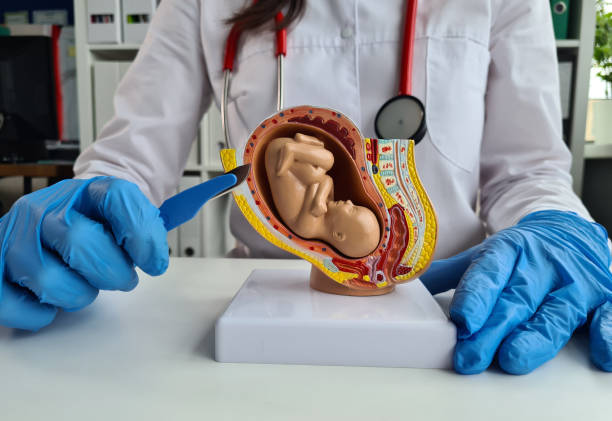

Understanding Fetal & Neonatal Surgery
A fetal surgeon treats conditions found during pregnancy, often working alongside a maternal-fetal medicine specialist. Their main goal is to correct or ease problems early and improve the baby’s chance of a healthy start. They perform procedures that range from minimally invasive fetaloscopic surgery, using small instruments and cameras, to the rare open fetal surgery, always keeping the wellbeing of both mother and baby in mind.
Neonatal surgeons step in after birth, often within hours or days of delivery. Their patients are newborns with urgent problems, such as blockages in the digestive tract, breathing difficulties, or structural abnormalities first seen on prenatal imaging. Many of their cases take place in the Neonatal Intensive Care Unit (NICU), where they collaborate with neonatologists, anesthesiologists, and specialized nurses who care for fragile infants around the clock.
Before birth, they may use tiny cameras and tools to address issues such as shared blood flow between twins or to drain extra fluid from a baby’s chest or bladder. After birth, they often repair blocked intestines, fix problems with the belly wall, or remove growths that make it hard for a baby to breathe or eat. All of these surgeries are done to give fragile babies a better chance to grow up healthy.
Specialized Care for the Most Fragile Patients
What distinguishes fetal and neonatal surgeons is their understanding of the physiological differences among newborns, fetuses, and older children. Even a few seconds of low oxygen, a minor temperature change, or a slight variation in fluid balance can have significant consequences. From a workforce perspective, fetal and neonatal surgery is an even smaller subspecialty than general pediatric surgery. Only a limited number of surgeons pursue this path, and most practice in large academic medical centers or specialized fetal care institutes. Because of this, they are consistently in demand, and families often travel long distances to reach centers with the expertise and technology needed for these complex procedures.
Pathway to Becoming a Fetal & Neonatal Surgeon
Becoming a fetal and neonatal surgeon takes years of specialized training. After four years of medical school, you complete about five years in a general surgery residency, followed by a two- to three-year pediatric surgery fellowship. Many surgeons then do extra fellowship training in fetal or neonatal surgery to learn advanced techniques for treating conditions before or right after birth.
Personal Take
What draws me and a lot of others to fetal and neonatal surgery is the chance to change the entire course of a life before it even begins. The work is intense and really collaborative, and even the smallest wins feel important. The training is long, and the schedule can be unpredictable, but being able to help the most vulnerable patients take their very first steps into the world is what makes this field so meaningful.
Resources
https://clinicaltrials.gov/study/NCT03788122
https://www.childrenshospital.org/conditions-treatments/birth-defects-and-congenital-anomalies
https://gps.chop.edu/medical-program/center-fetal-diagnosis-and-treatment