What is a Medical Illustrator?
Have you ever wondered if you could merge your love for art and science into a single profession? Or have you ever sat in a health class wondering how textbooks have such precise diagrams of the intricate parts of our body that most of us overlook every day? Consider the role of a medical illustrator/animator.
A medical illustrator is a professional artist with a specialized background combining visual communication, biological sciences, and medical illustration. Their primary focus is creating detailed renderings of human anatomy, developmental stages, diseases, injuries, and molecular or cellular mechanisms for educational and scientific purposes.
These professionals design diagrams for medical textbooks and peer-reviewed journals, develop animations and interactive media, support legal cases with medical malpractice testimony, and collaborate closely with surgeons, healthcare educators, and researchers to translate complex technical processes into clear, accessible visuals.
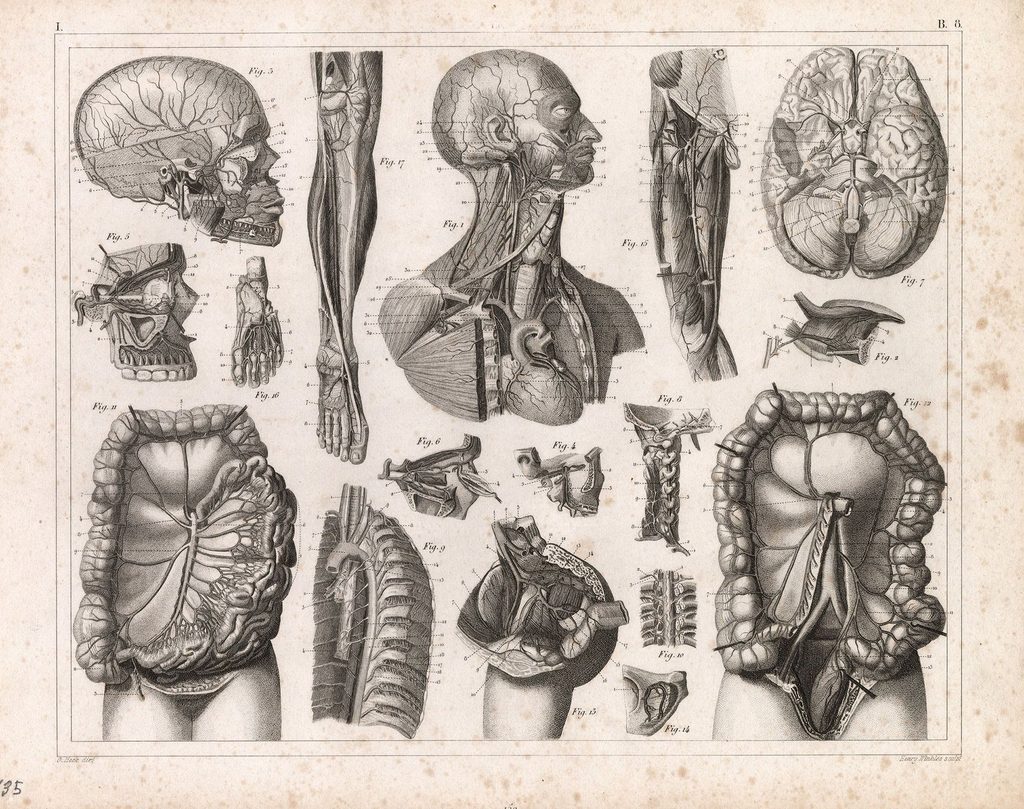
Visualizing the Process
Before starting the creative process, medical illustrators conduct thorough research by analyzing scientific literature and collaborating directly with medical experts. This often involves observing surgical procedures, attending laboratory sessions, and consulting with physicians and researchers to ensure precision in their visual depictions.
The Field
Medical illustration falls under the broad field of biomedical communication (or biocommunication). It is a unique profession that connects digital art with life sciences and medicine to explain biological and medical concepts.
With advances in technology, medical illustration has shifted from traditional media to quick, digital, 3D, and interactive methods built on real medical scan data.
Pathway to Become a Medical Illustrator
Pursuing a career as a medical illustrator typically begins with earning a bachelor’s degree focused on biological sciences or fine arts, followed by advanced training in an accredited master’s program. Beyond mastering fundamental artistic skills like life drawing, color theory, and digital media, aspiring illustrators build a strong scientific foundation through coursework in anatomy, physiology, and general biology.
Leave a Reply