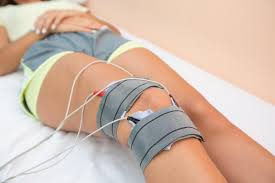
What is Electrical Stimulation Therapy?
Electrical Stimulation Therapy, sometimes referred to as ESTIM, is a method of recovery and pain management being used by a wide variety of patients. Electrical stimuli are sent through the skin to motor nerves, which then send a signal to the muscle to mimic the natural contraction and release of muscle fibers. In the most popular forms, this triggers increased blood flow and improves the functionality of the stimulated muscle. The best part? Patients report feeling a tingling sensation in the affected area with minimal other side effects. Some of the most common applications include musculoskeletal issues (strained and sprained muscles), muscle fatigue recovery, neuro-rehabilitation, and pain management.
What are the 4 types of electrical stimulus?
- TENS (Transcutaneous Electrical Nerve Stimulation): Blocks pain signals, useful for pain reduction in acute and chronic conditions. This is the second most popular use of electrical stimulation.
- NMES (Neuromuscular Electrical Stimulation): Stimulates nerves that trigger the contraction of muscles, and builds functional strength of muscles. This is most popular for athlete recovery from high school to professional-level sports.
- FES (Functional Electrical Stimulation): Used to help patients with neurological conditions (such as a stroke or spinal cord injury) to move paralyzed or weak muscles. Extremely helpful for building muscle in patients who may not be able to train their muscles to a certain level of fatigue.
- IFC (Interferential Current): Uses higher frequencies send nerve impulses into deeper tissues for pain and inflammation reduction
Why not focus on contracting muscles naturally?
During natural muscle contractions, the fibers contracted are categorized as slow-twitch fibers, or muscles that are resistant to fatigue, and require more stimulus than fast-twitch muscles. NMES is able to primarily trigger the fast-twitch muscle, which achieves fatigue and atrophy sooner, without a great effect on outside body systems (cardiovascular).
Another use of electrical pulses, TENS, applies electrodes to sensory pain nerves, which may then block pain signals to the brain. It is generally accepted that using TENS with “High-frequency (90-130 Hz) stimulation typically targets the “gate control” mechanism, while low-frequency (2-10 Hz) may trigger endorphin release.” The Gate Control Theory hypothesizes that when the nerve fibers (c-fibers) are sent through the spinal cord, they inhibit the inhibitory interneurons that are holding open the “gate” and allow the pain signal to reach the brain. The high-frequency electrical stimulation may inhibit this process to an extent. Overall, TENS’ importance as a therapeutic method stems from its being a non-chemical/drug option for various chronic and acute pain relief, with fewer side effects than drug therapy for lowering pain levels.
Who is using Electrical stimulation therapy for recovery?
Patients with pain relating to
- Chronic back or neck pain
- Arthritis and joint pain
- Fibromyalgia
- Tendonitis
- Bursitis
- Spinal cord injury pain
- Cancer pain
- Labor pain
- Post-surgical pain
- Stroke recovery