Overview:
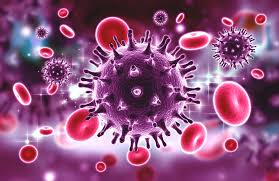
HIV (human immunodeficiency virus) is a disease that affects the body’s immune system and hinders the body’s ability to protect itself from various diseases and infections. If HIV isn’t treated soon enough it can become AIDS (acquired immunodeficiency syndrome). AIDS is the most advanced version of HIV and typically develops 8-10 years after contracting HIV. HIV severely hinders the body’s immune system and makes it almost impossible for the body to defend itself from various infections and diseases.
Causes, Remedies and Precautions:
HIV is a disease that goes in stages. There are three stages involved.
HIV begins with flu-like symptoms. This typically includes fever, chills, fatigue, and a sore throat. This is called Stage 1 Acute HIV. The symptoms often go away within a few weeks to a month.
Stage 2 is called Chronic HIV. In this stage, HIV is still in the body however the person is most likely asymptomatic (showing no symptoms). This stage can last for years however those who caught the disease early on may be receiving ART (antiretroviral therapy). As the virus continues, a person may get frequent symptoms like fever, swollen lymph glands, oral yeast infection, and shingles.
Stage 3 is the progression to AIDS. Having AIDS (acquired immunodeficiency syndrome) means that your immune system is thoroughly damaged. A person is more likely to develop several different diseases and specific types of cancers.
HIV is most often spread through unprotected sexual intercourse. This is called an STI (sexually transmitted infection). Only certain bodily fluids can transmit HIV, those being; semen, vaginal fluids, and rectal fluids. Furthermore, blood can also transmit the disease. This is why there are such strict precautions with the sharing of blood and disposal of needles. If a person shares needles or syringes, the likelihood of contracting HIV skyrockets. Often, the best way to protect yourself from ever contracting HIV is to make sure you get tested frequently and to have protected sex.
No cure currently exists for HIV however those who are receiving ART (antiretroviral drugs) can live a normal lifespan since the drug prevents the spread of the disease. Note that ART isn’t a cure. Once a person has contracted HIV, they will have the infection forever. HIV literally inserts itself into your DNA and is a part of a person forever. ART is able to control HIV long enough to go to the next stage. The medication must be taken every day for it to be effective enough to stop the virus from multiplying. If HIV is left untreated, the results can become fatal very quickly.
Other Facts
HIV is a persistent problem in the world. Approximately 40 million people currently live with HIV. It’s estimated that 13% of people don’t even know they have HIV and still need testing.
HIV is often treated by infectious disease specialists who specify in studying and treating those with the disease (blog post to come soon).
Interesting News
What’s currently relevant to today and I found interesting, is how HIV disproportionately affects the US. While all races and ethnicities are affected, African Americans and Latinos are mostly affected by HIV. They make up more than half of the estimated new HIV infections by 2022 alone. Social issues like discrimination, homophobia, and poverty as well as HIV stigma limit health outcomes and access to quality health care. HIV is a disease that highlights this issue and brings forth to our attention that we must act to solve it and allow everyone access to quality healthcare.
Sources I Used And Where You Can Learn More:
https://www.mayoclinic.org/diseases-conditions/hiv-aids/diagnosis-treatment/drc-20373531
https://www.cdc.gov/hiv/about/index.html
https://my.clevelandclinic.org/health/diseases/4251-hiv-aids#outlook-prognosis
https://my.clevelandclinic.org/health/diseases/4251-hiv-aids