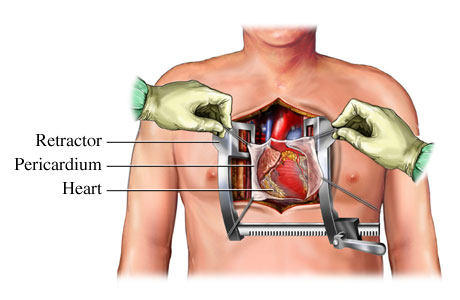
The Role of a Cardiothoracic Surgeon
A cardiothoracic surgeon is a doctor who operates on the heart, lungs, esophagus, and other organs in the chest. They diagnose problems, plan surgery, perform the operation, and care for patients before and after surgery.
What Area of the Body Is It Focused On?
- Heart and major blood vessels
- Lungs and airways
- Esophagus (the tube that carries food from the mouth to the stomach)
- Chest wall and diaphragm
Kind of Procedures Performed
Cardiothoracic surgeons perform many different procedures, such as:
- Coronary artery bypass grafting (CABG) for blocked heart arteries
- Heart valve repair or replacement
- Surgery to treat aortic aneurysms
- Lung resections for lung cancer (removing part or all of a lung)
- Surgery for collapsed lungs or severe infections in the chest
- Procedures to correct congenital heart defects in children
Some surgeons also use minimally invasive or robotic techniques, which use small incisions and special instruments.
What Kind of Patients Do They See?
Cardiothoracic surgeons care for a wide range of patients, including:
- Older adults with blocked arteries or valve disease
- Middle-aged adults with lung cancer or severe lung disease
- Young adults with chest trauma from accidents
- Children with congenital heart defects
- Very sick patients in the ICU who need life-saving surgery or support devices
What Kind of Diseases Do They Deal With?
Cardiothoracic surgeons treat many serious conditions, such as:
- Coronary artery disease
- Heart valve disease (like aortic stenosis or mitral regurgitation)
- Aortic aneurysms and dissections
- Lung cancer and other chest tumors
- Advanced emphysema and other chronic lung diseases
- Infections in the heart (endocarditis) or chest cavity
- Congenital heart defects present from birth
They often work in teams with cardiologists, pulmonologists, and critical care doctors.
What’s the Training Path?
Training to become a cardiothoracic surgeon is long and demanding. In the United States, it usually includes:
- Undergraduate education – 4 years
- Medical school – 4 years (MD or DO)
- General surgery residency – about 5 years
- Cardiothoracic surgery fellowship – 2–3 additional years
Even after training, cardiothoracic surgeons keep learning through board certification, conferences, and new techniques.
Work–Life Balance
Work–life balance in cardiothoracic surgery can be challenging. The job often involves:
- Long hours in the operating room
- Early mornings and late evenings
- Being on call for emergencies, such as aortic dissections or chest trauma
However, many surgeons find balance by:
- Working in group practices where the call is shared
- Setting boundaries for non-urgent work
- Focusing on efficiency and strong team support in the OR and ICU
How In-Demand Is This Specialty?
Cardiothoracic surgeons are highly needed in the medical field. Reasons include:
- An aging population with more heart and lung disease
- High rates of coronary artery disease and valve disease
- Ongoing need for cancer surgery, especially lung cancer
- Retirements among older surgeons are creating new openings.
Common Stereotypes (and the Reality)
There are several stereotypes about cardiothoracic surgeons, such as the idea that they are harsh, cold, or arrogant, or that the job is only about long, dramatic surgeries reserved for “perfect” students. In reality, the work is simply intense, and most cardiothoracic surgeons are caring, team-focused, and deeply devoted to their patients.
Personal Statement: Why I Want to Be a Cardiothoracic Surgeon
I am drawn to cardiothoracic surgery because it combines deep knowledge, hands-on skill, and meaningful impact. The cardiovascular system has always interested me, especially the surgical side, and I value the constant learning this field requires. These operations can give patients more years with their families and a better quality of life.
Sources
https://my.clevelandclinic.org/health/articles/23263-cardiothoracic-surgeon
https://utswmed.org/conditions-treatments/cardiothoracic-surgery