Overview
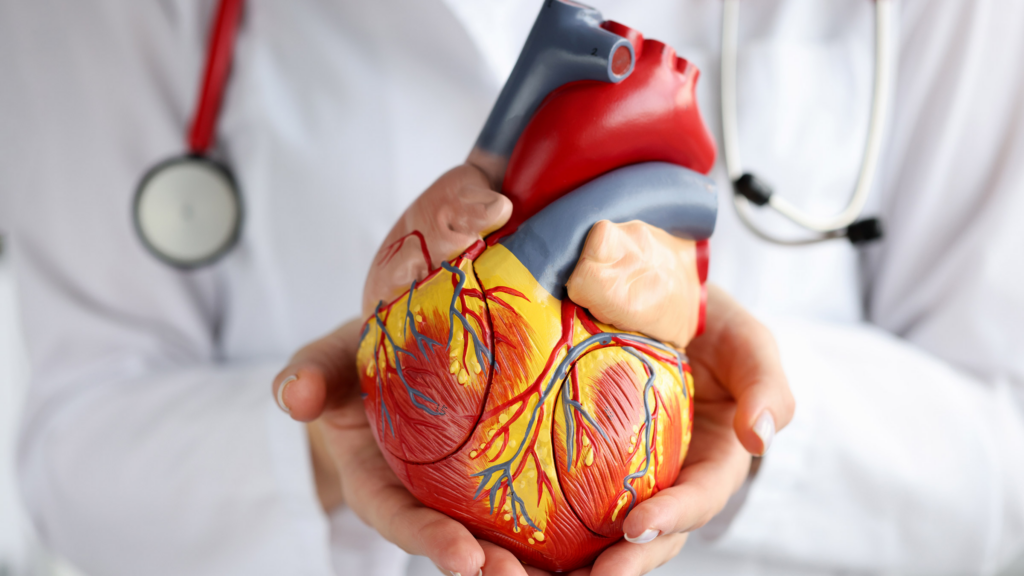
A cardiologist specializes in diagnosing and treating cardiovascular system illnesses – focusing more on the heart.
Cardiologists is a broader term for doctors who treat the cardiovascular system of adults. If a problem occurs in any child, from infant to adolescent, they would see a pediatric cardiologist, whom you may find more information about here. Diseases that cardiologists work closely with but are not limited to are high/low blood pressure, heart attacks, heart diseased, and atherosclerosis. Specific treatments and procedures for these diseases may be found here.
Cardiologists do not work alone nor is it just a general specialty. As said before, there is a subspecialty for children (pediatric cardiologists) but there are other subspecialties as well. For example, cardiologists tend to work closely with cardiothoracic surgeons for surgery of the heart or any major blood vessels. There are also cases in which general doctors will consult with a cardiologist if a patient shows any signs or symptoms of a cardiovascular disease.
Pathway to Become a Cardiologist
Becoming a cardiologist is a rigorous journey, typically taking 14 years to complete. Those who wish to complete this journey must first earn a bachelor’s degree in a health-related field; this is followed by taking the MCAT (Medical College Admissions Test) which if scored well will allow greater chance of admission to medical schools of choice. When admitted and when completing medical school, take the USMLE (United States Medical Licensing Exams) and then complete a residency program followed by becoming certified in the cardiology residency and completing a fellowship program. More in-depth details of the pathway may be found here or here.
Being a cardiologist means being a well-rounded individual capable of dealing with stress and bearing news either good or bad. Skills that are needed to be a cardiologist include but are not limited to communication, organizational tactics, teamwork, empathy, and dedication. A work-life balance must also be established in order to operate effectively and efficiently. This balance can be achieved by making personal time, maintaining boundaries, building a support system among coworkers, family, and friends, and developing healthy habits. But, although a challenging and demanding career there are rewards.
Those in search of a job in cardiology can expect a projection of 3% from 2020 to 2030. But until 2026 the job outlook is expected a growth of 13%.
Sources I Used & Where to Learn More
- https://my.clevelandclinic.org/health/articles/21983-cardiologist
- https://www.umhs-sk.org/blog/how-to-become-a-cardiologist#becoming
- https://medicalaid.org/how-to-become-a-cardiologist-training-licensing-and-certification-requirements/
- https://www.aucmed.edu/blog/what-is-a-cardiologist
- https://healthworksonline.com/how-to-achieve-work-life-balance-as-a-cardiologist/
- https://learn.org/articles/Cardiologist_Job_Duties_Occupational_Outlook_and_Education_Prerequisites.html