Overview
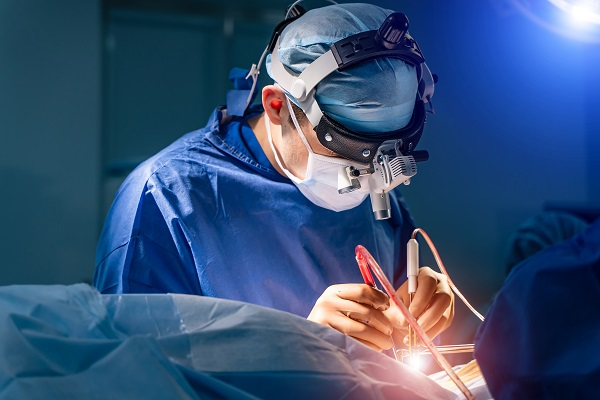
Most neurosurgeons work as a team with anesthetists, trainee doctors, theatre nurses, and medical students. Not only are neurosurgeons in charge of a very delicate organ, but they also have to treat their team with respect. After the surgery, a team has to communicate with the surgeons to understand the treatment needed for a faster recovery.
A typical day in a neurosurgeon’s life when there are very few surgeries needed they work in the intensive treatment unit (ITU) which is the way to make sure if anything happens they can quickly rush the patient into surgery. Their hours have varied but most have a 24-hour shift. If there are surgeries to do then, some surgeries can start around 9-9:30 am which leaves time for other cases to happen at 6 pm. Normally these days are long and are filled with surgeries that need to be performed. While some of these surgeries make a quick procedure with some being as 30 minutes long. Some surgeries are 10 to 11 hours long which are usually tumor removal that is very delicate to deal with. Sometimes they have routine surgeons in and out to give each surgeon a break from standing so long.
After a long day, they make sure patients are recovering from their surgery and visit with their loved ones to make sure they understand what recovery will look like. On a non-surgery day, they went be perform outpatient clinic sessions, while also making sure their patients from previous surgeries are healing and are feeling better. They end up leaving around 6 pm with a less demanding day to come home from. You can learn more here.
How to Become
A typical education plan for students wanting to become a neurosurgeon in the US. Is the four years of undergrad education with a pre-med plan throughout college. Later it will take four years of medical school which results in an M.D. or D.O. degree. Then one year of internship in general surgery which is the time you choose what type of specialty you want to. Which then leads to five to seven years depending on the hospital that is running the residency program. You can then have more training in the specific type of neurosurgery. Also you can publish a scientific journal about the research you have conducted to forth your field techniques for more life-saving procedures. You can learn more here.
Personal Take
I find the teamwork aspect of the neurosurgeon is very helpful for most people because you don’t have to do all the work yourself. It is that idea of a team coming together to work on something very appealing to me because you have a team that has your back if there are problems. While being a neurosurgeon takes a long time it is very rewarding in the end to help care for people.